Synopsis
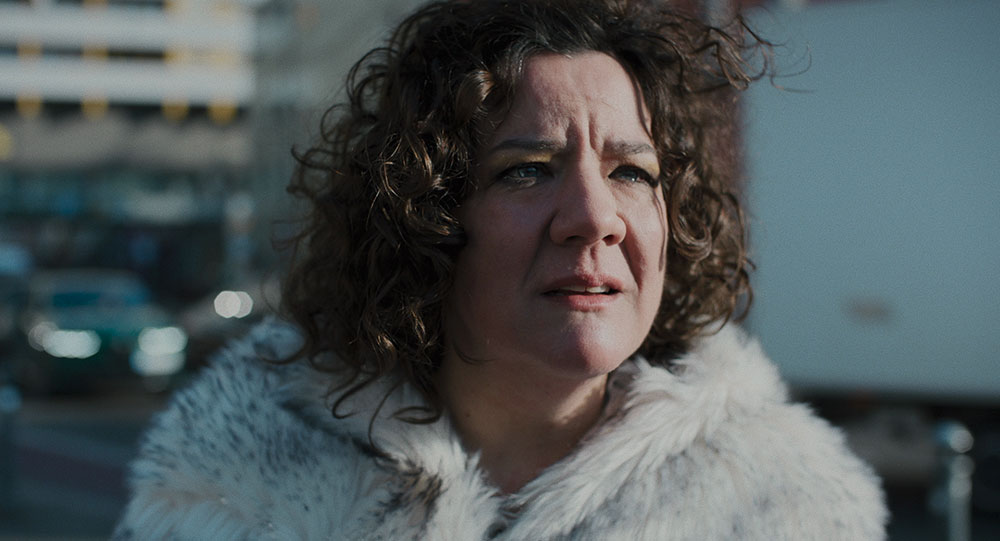
Franka is in her late 40s—wild, eccentric, lesbian. As the drummer for the punk band “Dirty Poodles,” she was a legend in the Kreuzberg neighborhood. But not much remains of her former glory. Her former bandmates have long since turned their backs on her, and in the Kreuzberg bars where she hangs out night after night, she’s finally burned through all her credit. And while she still acts as if everything were just like it used to be, she prefers to keep quiet about the fact that she was kicked out of her own band long ago.
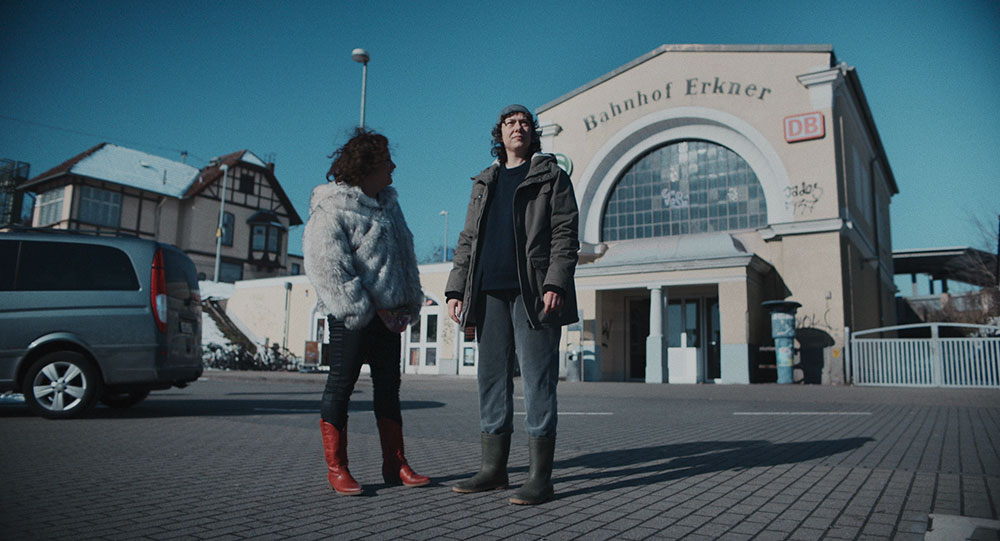
In her younger sister Maya, Franka finds her exact opposite. Maya has retreated to their parents’ house somewhere in Brandenburg and set up a quiet, manageable life there: between having coffee with her parents, game nights, and rubber boots. What looks like stagnation and a lack of drive to Franka doesn’t seem to bother Maya in the least. The fact that her chaotic older sister has now shown up unannounced in the village to single-handedly yank her out of her supposed lethargy naturally doesn’t sit well with Maya at all.
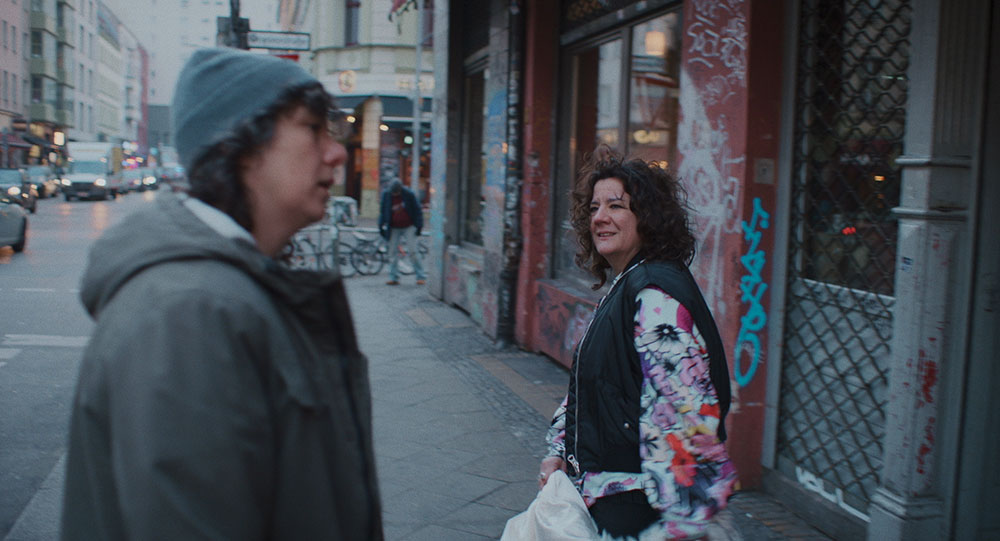
With the outgoing Franka and the reserved Maya, two incompatible lifestyles collide. At first, Maya wants nothing more than to get rid of her pushy sister as quickly as possible, but she eventually allows herself to be reluctantly persuaded to go on a spontaneous road trip to Berlin. Around Kottbusser Tor, the dissimilar sisters spend the night hopping from bar to bar, where they run into old acquaintances as well as quirky Kreuzberg night owls. One beer follows another, and soon other substances are added to the mix.
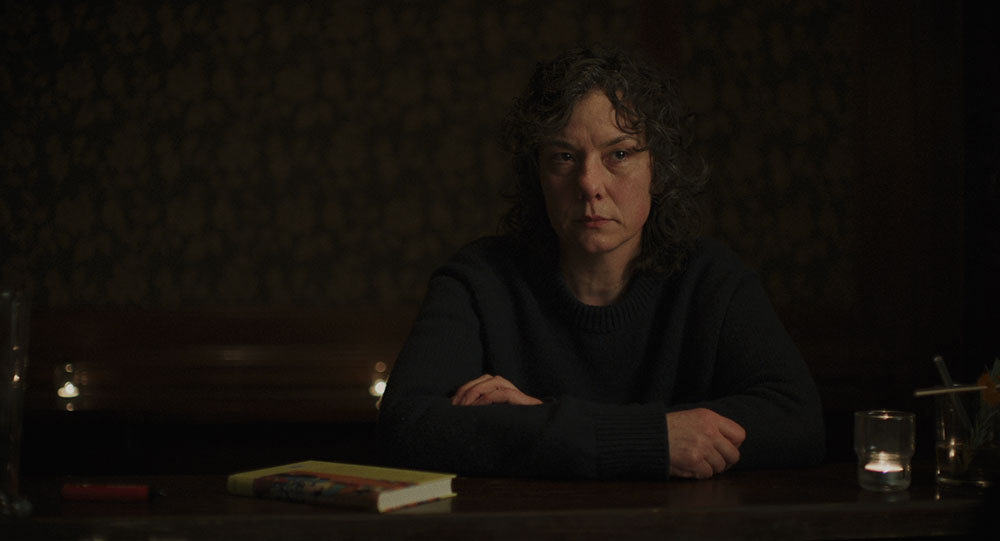
As the night spirals out of control, the family roles they’ve practiced for decades begin to unravel, and truths that have gone unspoken for far too long finally come to light. However, for the sisters to truly grow closer, it’s not enough for Maya to slowly begin to open up in the face of these unfamiliar excesses. Franka, too, must learn to reveal more of herself than her flashy facade of excess and unbridled zest for life would suggest.
Franka and Maya are the kind of protagonists you don’t often see in German cinema: two women in their forties whose “hipster years” are over (or never even began), and who, in completely different ways, refuse to conform to societal expectations. “Plan F” is a Berlin indie film with rough edges and plenty of character: melancholic and hedonistic, laconic and tender, and as charmingly rugged and unpolished as the neighborhood around Kottbusser Tor.