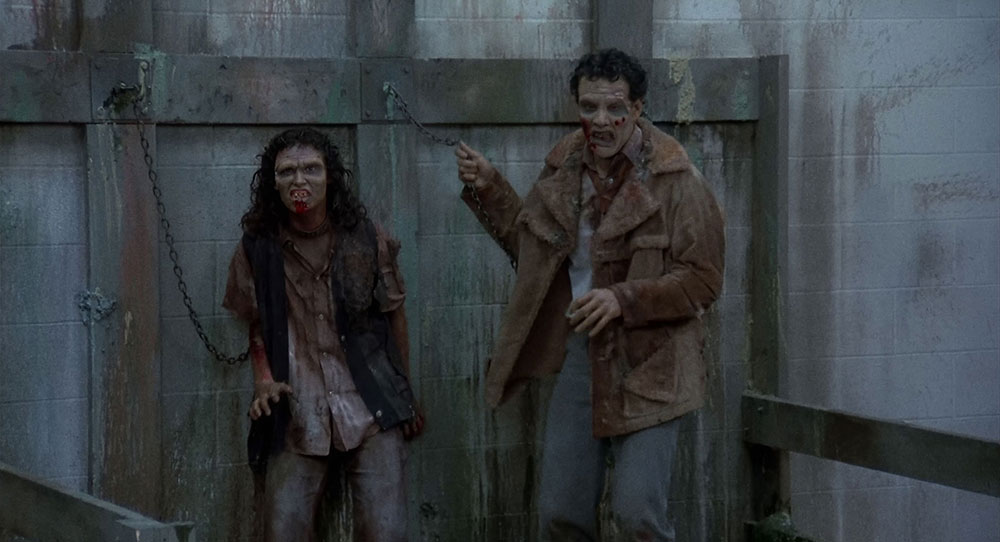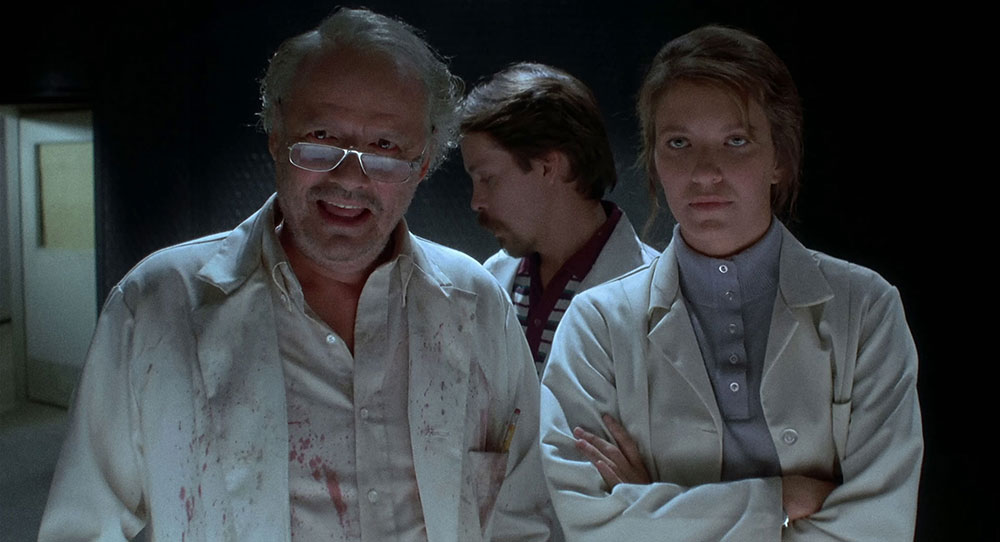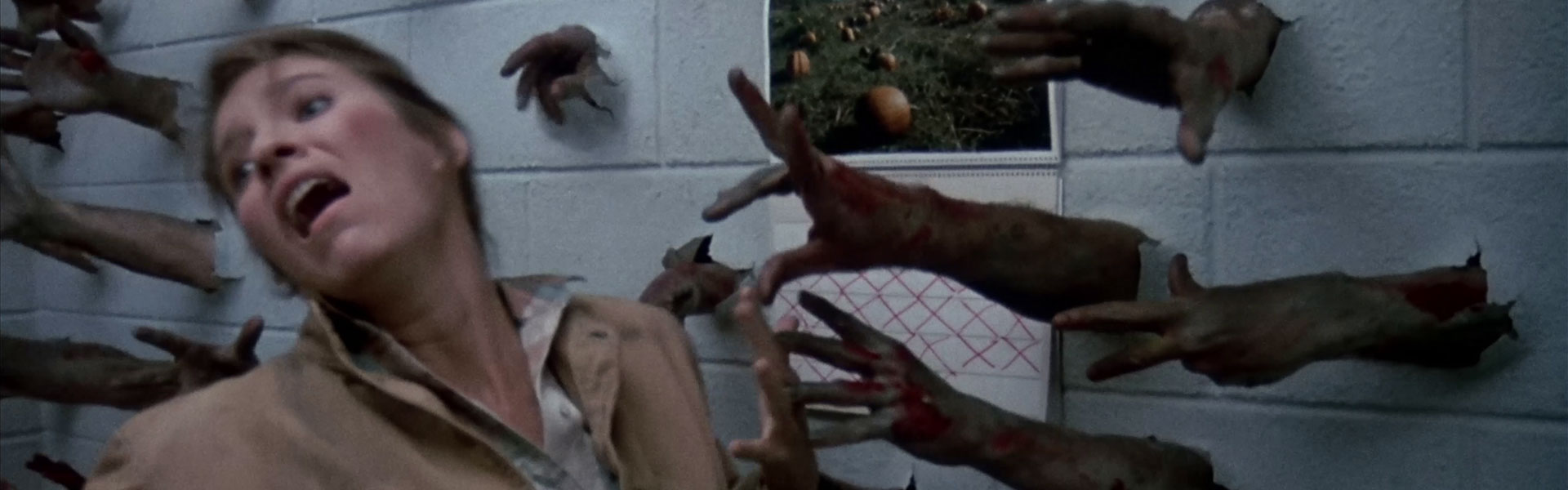


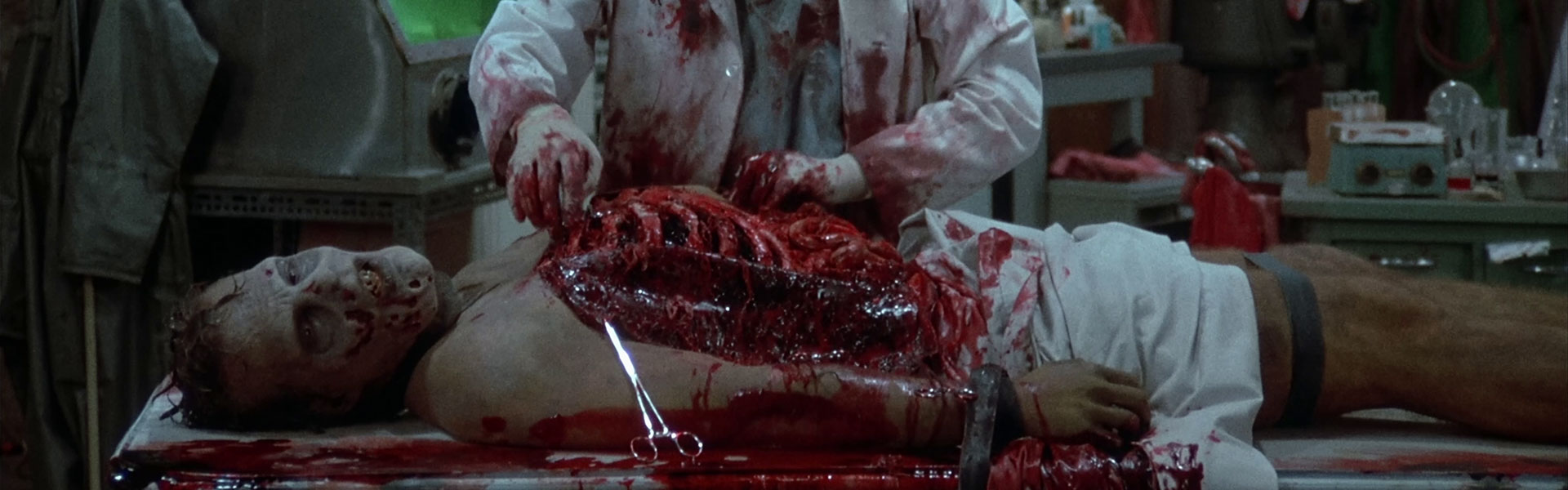


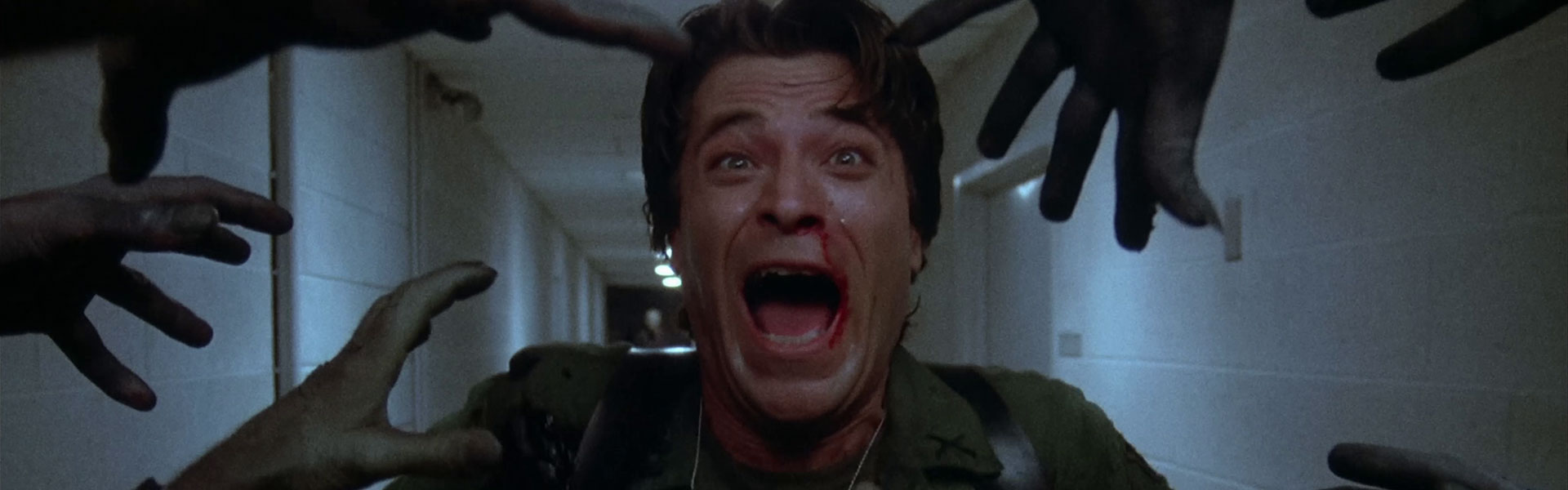


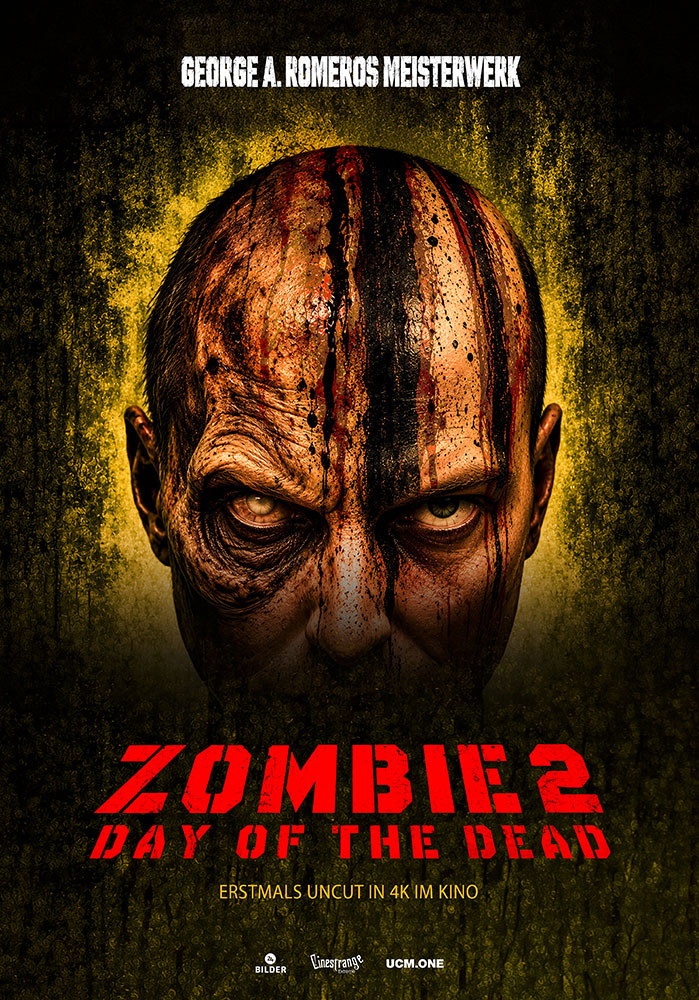
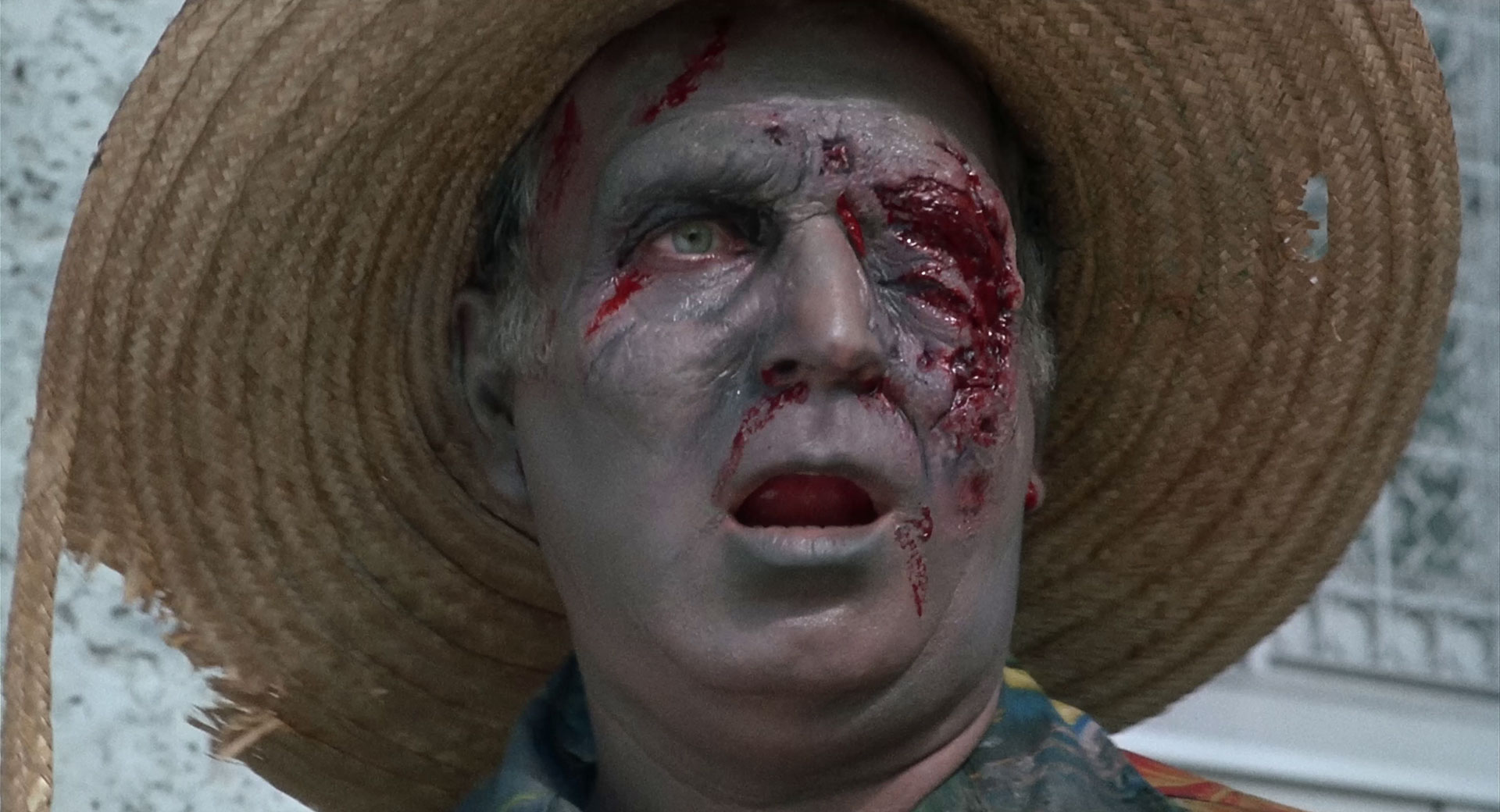
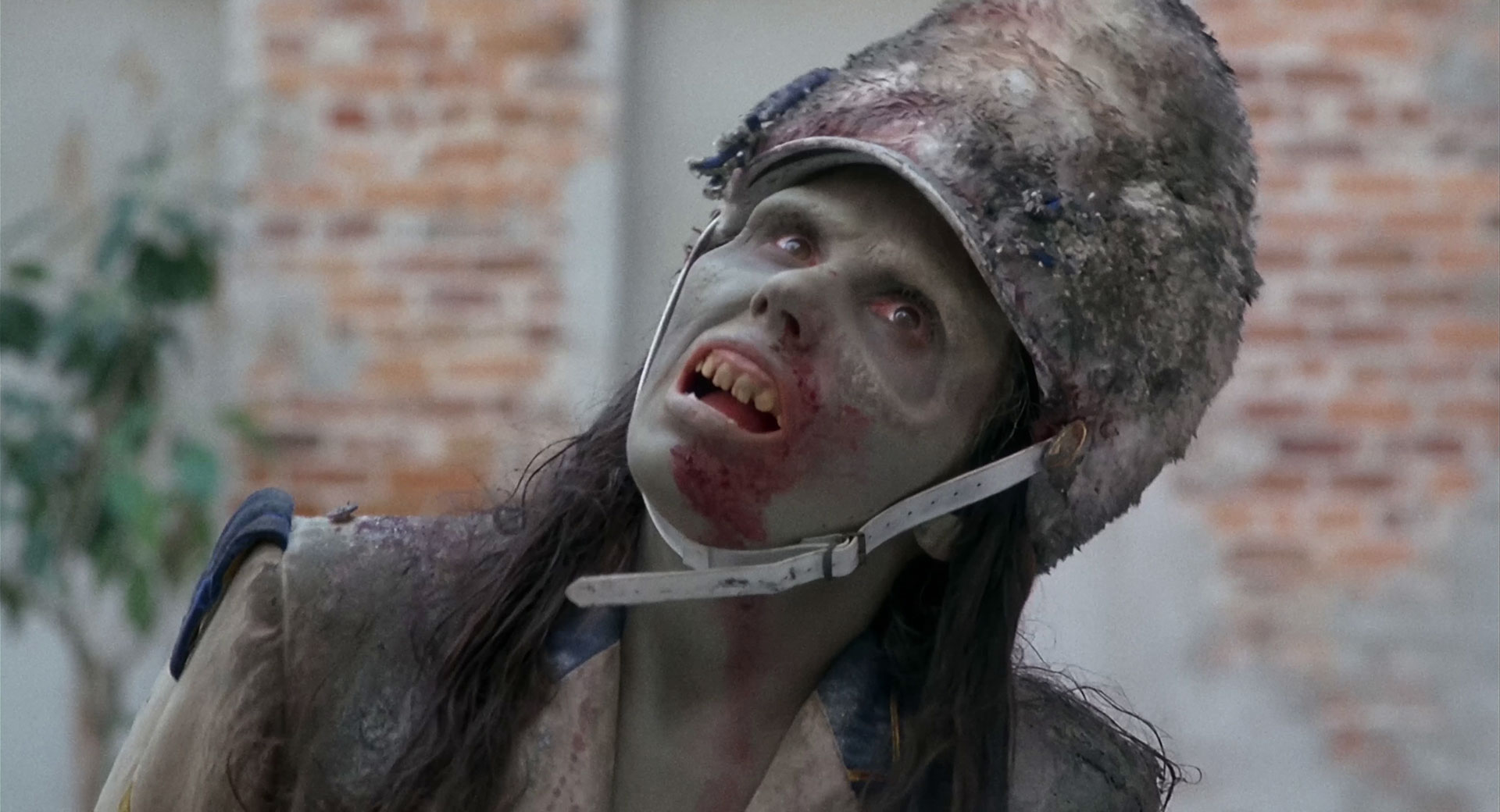
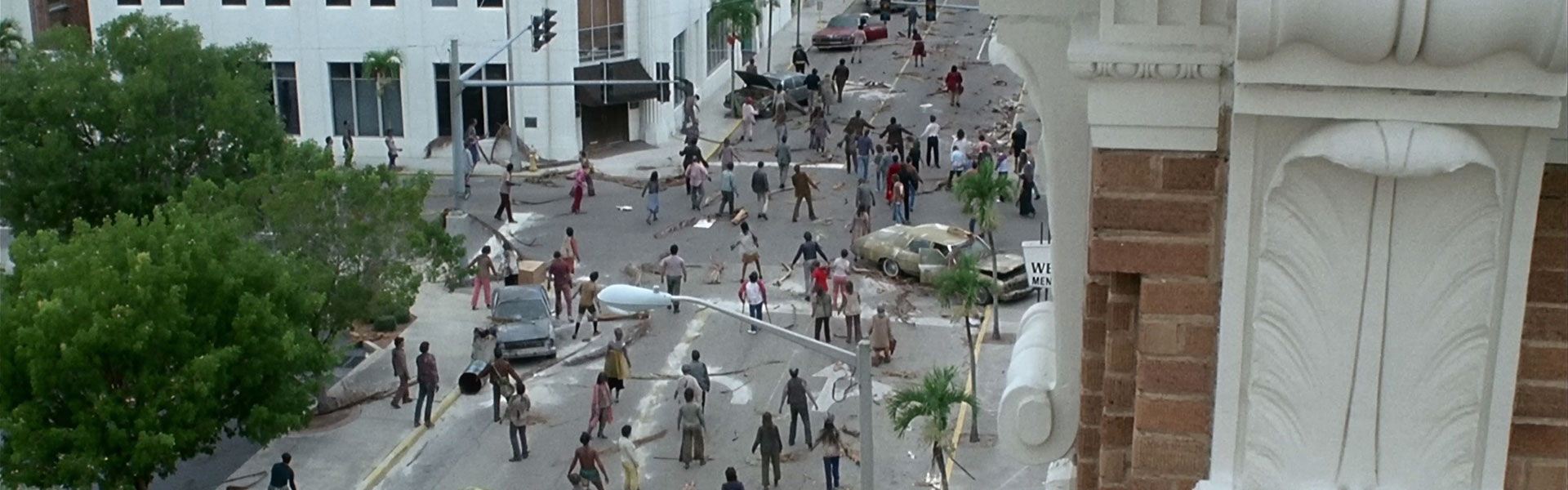
George A. Romero brings his original “Dead” trilogy to a spectacular conclusion—after 40 years of being banned, Cinestrange Extreme and UCM.ONE are bringing the masterpiece “Zombie 2: Day of the Dead” to German theaters, for the first time uncut and in 4K. In a world ruled by the undead, human civilization has almost completely collapsed, and in a bunker in Florida, the last survivors are fighting to prevent the extinction of humanity. Who will gain the upper hand: the scientists striving to domesticate the undead? Or the military, which wants to plunge into a blind, frenzied war of annihilation against the overwhelming zombie forces?
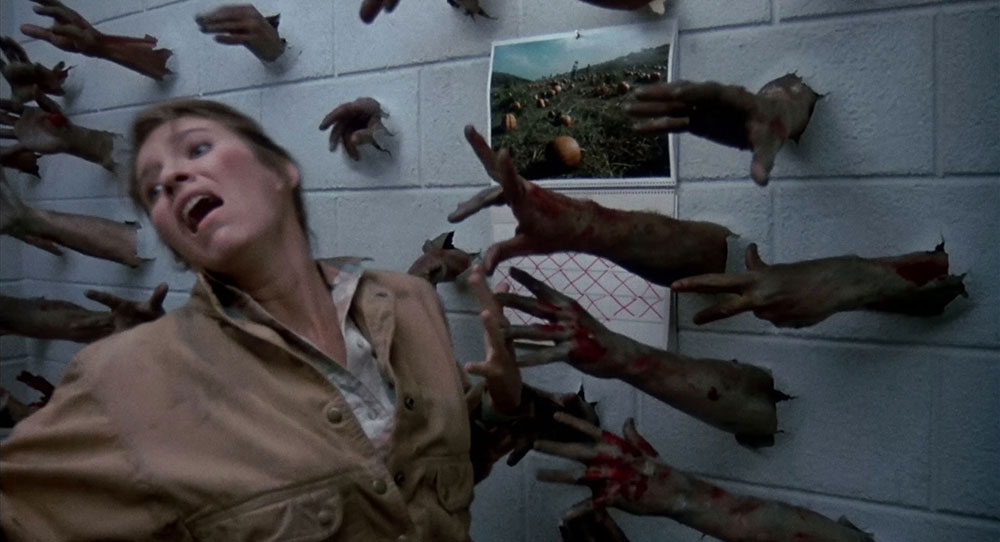
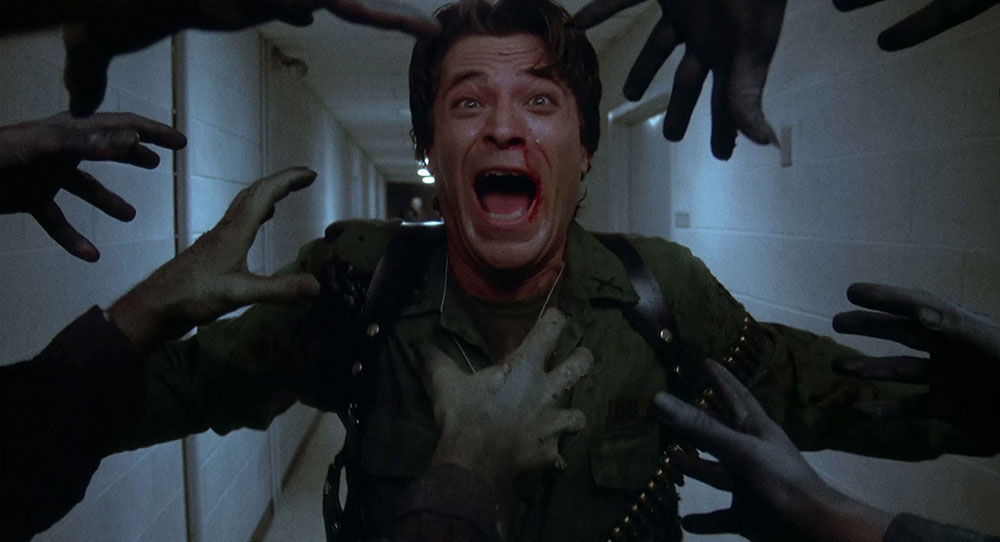
Synopsis
In a world overrun by the undead, human civilization has almost completely collapsed. A small group of survivors—composed of scientists and soldiers—has barricaded itself inside an underground bunker in Florida. Contact with the outside world has long since been severed, and supplies and medicine are growing increasingly scarce.
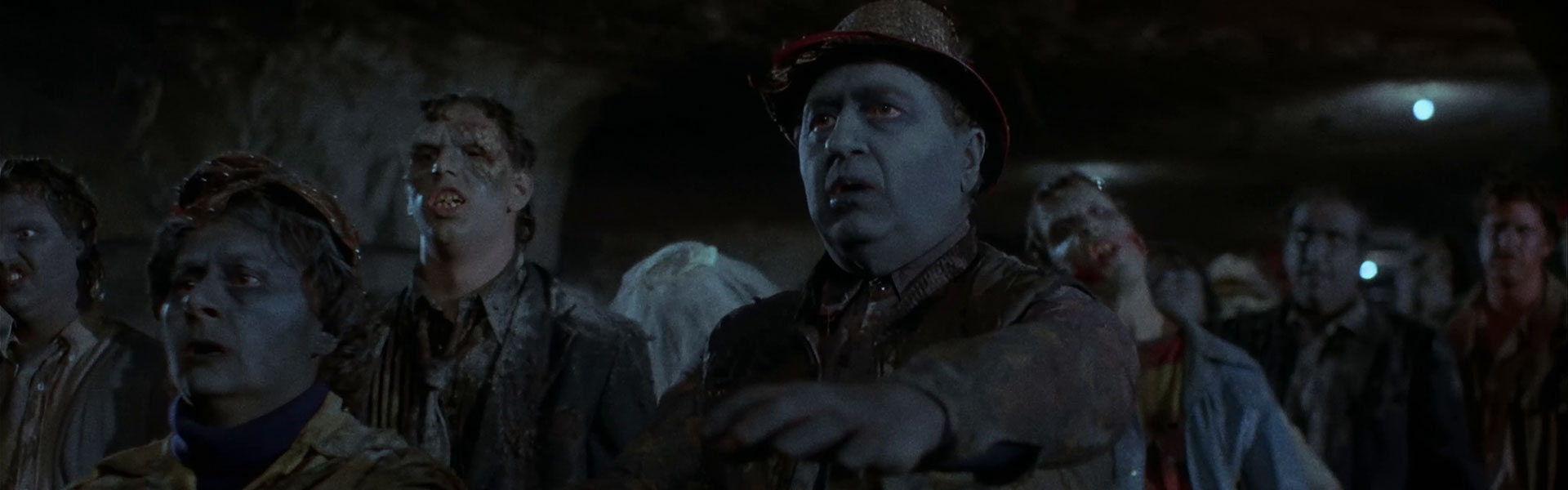
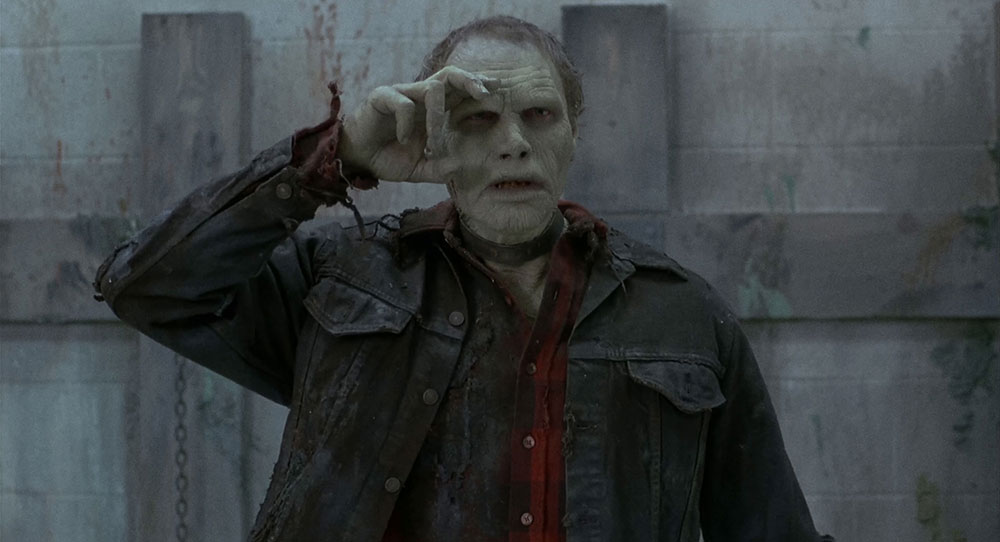
Inside the bunker, two irreconcilable worldviews clash. On one side is a team of scientists led by Dr. Sarah Bowman and the eccentric Dr. Logan. Logan argues that the undead do not need to be destroyed at all costs, but can be tamed and civilized through conditioning. Logan cites the zombie “Bub” as evidence for his theory; Bub seems to remember his former life and even shows signs of empathy.
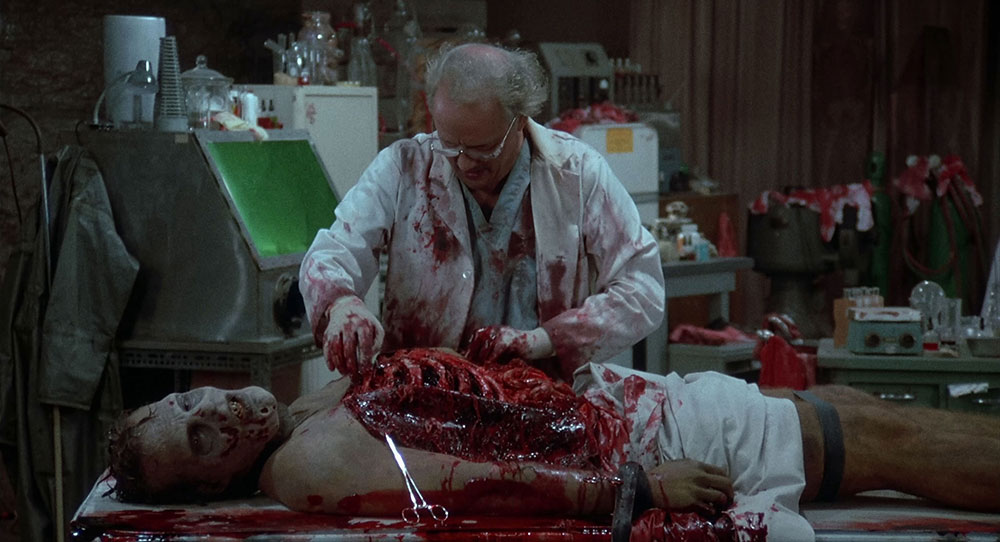
On the other side are the soldiers led by the increasingly paranoid Captain Rhodes, who takes control following the death of the previous commander. The authoritarian Rhodes and his men are tasked with protecting the researchers, but they view their experiments with open contempt. They demand quick, practical results—or the destruction of all captured undead. When Rhodes discovers that Dr. Logan is misusing the bodies of fallen soldiers for his experiments, a merciless struggle for survival begins.
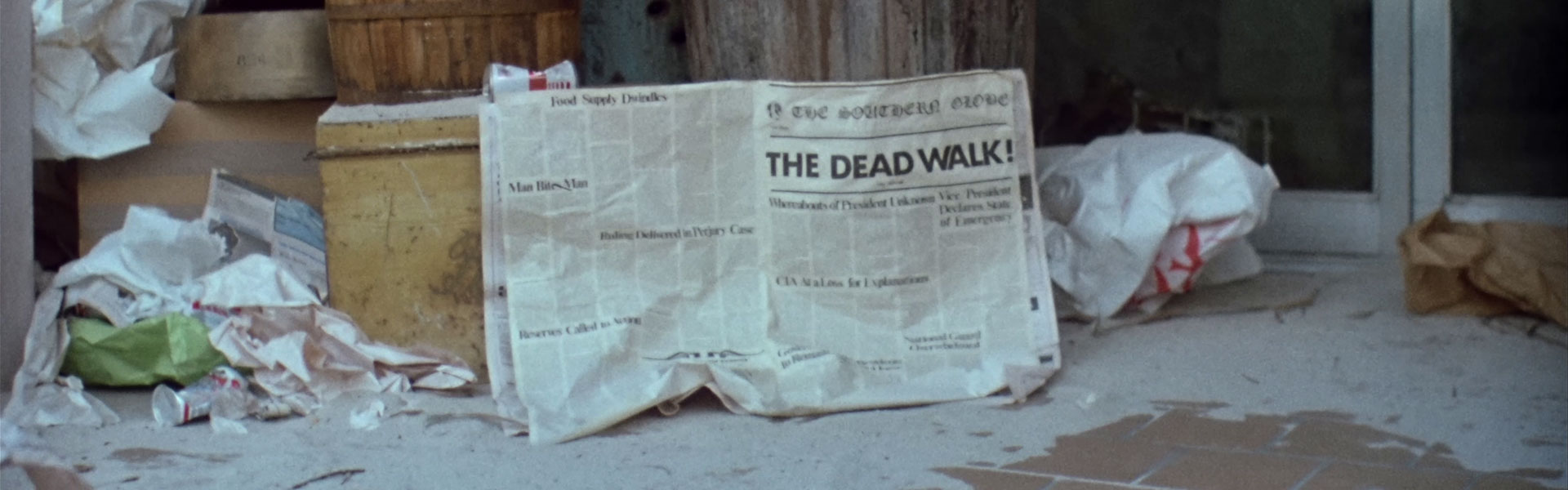
George A. Romero’s “Dead” film series
George A. Romero’s legendary “Dead” series is considered the foundation of modern horror cinema. With his groundbreaking masterpiece “Night of the Living Dead” (1968), Romero not only created the iconic figure of the slow-moving, flesh-hungry undead, but also used the horror genre from the very beginning as a sharp allegory of social criticism. The visually raw, black-and-white opener encapsulates the fears of the late 1960s—from the Vietnam War to racial tensions in the U.S.
Ten years later, Romero delivered another masterpiece with “Dawn of the Dead” (1978). By trapping the survivors of the zombie apocalypse in a massive, abandoned shopping mall, he weaves macabre horror with a spot-on satire of Western consumer society.
With “Day of the Dead” (1985), Romero concludes his original trilogy. In an underground bunker, science and the military clash, highlighting the dangers of rising militarism in the face of a dwindling human civilization. Additionally, with the self-learning zombie “Bub,” the film introduces for the first time the idea of the undead possessing their own consciousness.
Original title: Day of the Dead
Director & writer: George A. Romero
Cast: Lori Cardille, Terry Alexander, Joseph Pilato, Richard Liberty, Howard Sherman and others
Producers: Richard P. Rubinstein, David Ball (Ko-Produzent), Ed Lammi (Assoziierter Produzent), Salah M. Hassanein (Executive Producer)
Cinematography: Michael Gornick
Editor: Pasquale Buba
Sound: Rolf Pardula
Music: John Harrison
Special effects & make-up: Tom Savini
Genre: Horror, Thriller
Production: Laurel Entertainment Inc.
Country of production: USA
Year of production: 1985
Language: English
Subtitles: Deutsch
Rating: 18
Runtime: 101 Minutes
Aspect ratio: 1,85:1
Framerate: 24 fps
Sound: Stereo 2.0
Other titles:
Theatrical title (Germany, 1987): Zombie 2 – Das letzte Kapitel
Label: Cinestrange Extreme in cooperation with M-Square Pictures
Distributor: UCM.ONE
Booking & Billing: 24 Bilder
Theatrical release: 29.10.2026
After a two-decade hiatus, Romero returned to his saga in 2005 and expanded it with another trilogy in the years that followed. “Land of the Dead” (2005) depicts a decadent class society in which the rich revel in luxury while the poor do the dirty work and the dead have learned to organize themselves. With “Diary of the Dead” (2007), Romero embraces the modern found-footage format and addresses the sensationalism of new media and the ceaseless flood of disaster images in the age of the Internet. The series concludes with the zombie western “Survival of the Dead” (2009), which centers on a patriarchal feud between two families on a remote island.
Romero’s central premise runs through all six films: The zombies are never the real threat—it is always humanity’s inability to overcome its own conflicts and work together in the face of existential threats.
Day of the Dead – A History of Censorship
George A. Romero’s “Day of the Dead” (1985) first hit German theaters in 1987 under the distribution title “Zombie 2 – Das letzte Kapitel” and, over the course of four decades, repeatedly came under scrutiny by German youth protection authorities and the criminal justice system. In no other country did Romero’s masterpiece suffer such severe censorship cuts as it did in Germany.
Even at the time of its theatrical release, the FSK refused to approve the uncut version. In order to be shown in theaters to audiences aged 18 and older, several minutes of highly violent scenes had to be cut. Even on VHS, only a heavily edited version was released; despite the removal of nearly all violent scenes, it was initially placed on the index and shortly thereafter seized nationwide for alleged glorification of violence (Section 131 of the German Criminal Code). For decades, the uncensored version was effectively banned in Germany and could neither be sold nor publicly screened, while the freely available versions—which later flooded the DVD market—were mutilated beyond recognition.
“Zombie 2 – Day of the Dead” caused a curious media scandal in January 2022. The cultural channel arte accidentally aired the uncensored version during late-night programming and in its online video library. Since the film had already been rated for ages 12 and up in France, the editorial team got tangled up in the confusion surrounding the various international cuts. The German public prosecutor’s office launched an investigation into the violation of the distribution ban but subsequently dropped the case, as the broadcast was primarily managed by arte’s headquarters in Strasbourg, France.
In early 2026, the legal situation finally took a decisive turn: All seizures were lifted, and the title was removed from the index. The FSK re-evaluated the film and granted the uncut original version a “Not Approved for Minors” rating (18 and older). This marked the official end of a nearly 40-year censorship odyssey, and “Zombie 2 – Day of the Dead” can now be viewed legally and in its uncut version in Germany for the first time.
About George A . Romero (director & writer)
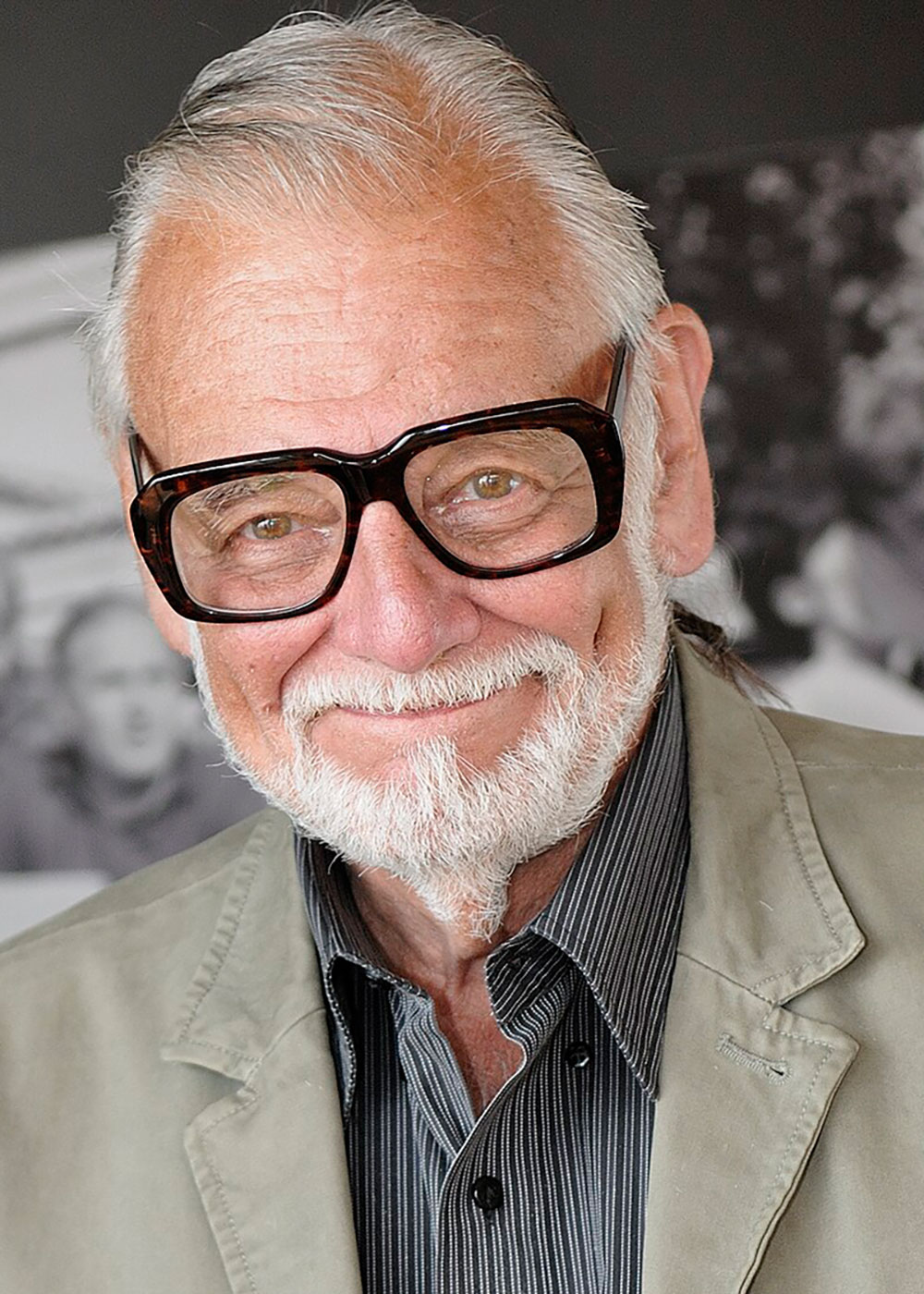
George Andrew Romero was born on February 4, 1940, in New York City to a Cuban father and a Lithuanian-American mother. Even as a child, he developed a strong passion for filmmaking and, at the age of 14, began shooting his first short films with an 8mm camera. After studying graphic design at Carnegie Mellon University in Pittsburgh, he co-founded the production company The Latent Image with friends, initially using it to shoot commercials and short films.
Romero achieved his international breakthrough in 1968 with his feature film debut, “Night of the Living Dead”. Produced independently on an extremely low budget, this black-and-white film completely redefined the horror genre. With it, Romero created the modern concept of the slow-moving, man-eating undead and deliberately used the genre as a platform for socially critical subtexts.
In the decades that followed, Romero consistently expanded his body of work. His six-part “Dead” series, in particular, achieved cult status not only among horror fans. While “Dawn of the Dead” (1978) is set in a shopping mall and serves as a biting satire on consumer-driven U.S. society, “Day of the Dead” (1985) explores the fatal power struggle between the military and the scientific community. Twenty years later, Romero continued the “Dead” series once again, addressing current issues such as social inequality and media hysteria in “Land of the Dead” (2005), “Diary of the Dead” (2007), and “Survival of the Dead” (2009).
Throughout his life, Romero was regarded as a pioneer of independent U.S. cinema. He steadfastly refused to fully submit to the commercial pressures of the major Hollywood studio system in order to preserve his artistic freedom and uncompromising vision. George A. Romero passed away on July 16, 2017, at the age of 77.
Filmography (feature films)
| 2009 |
Survival of the Dead |
| 2007 |
Diary of the Dead |
| 2005 |
Land of the Dead |
| 2000 |
Bruiser |
| 1993 |
The Dark Half |
| 1990 |
Two Evil Eyes (with Dario Argento) |
| 1988 |
Monkey Shines |
| 1985 |
Day of the Dead |
| 1982 |
Creepshow |
| 1981 |
Knightriders |
| 1978 |
Dawn of the Dead |
| 1977 |
Martin |
| 1975 |
The Amusement Park |
| 1973 |
Crazies |
| 1972 |
Season of the Witch |
| 1971 |
There’s Always Vanilla |
| 1968 |
Night of the Living Dead |
About Tom Savini (effects & make-up)
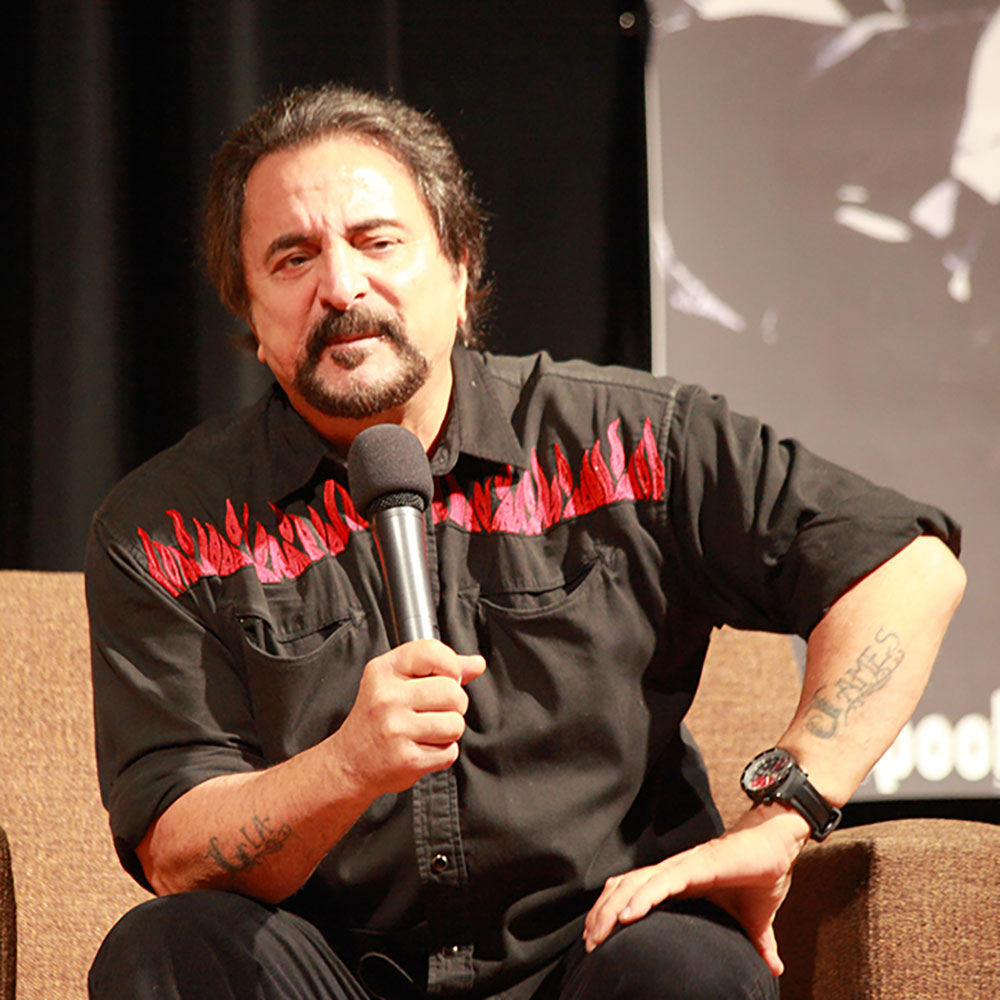
Tom Savini is a special effects artist, makeup artist, director, and actor. He is considered one of the most influential pioneers of splatter and gore cinema. His experiences as a photographer for the U.S. Army during the Vietnam War shaped his stark, uncompromising realism in depicting anatomical injuries and blood effects.
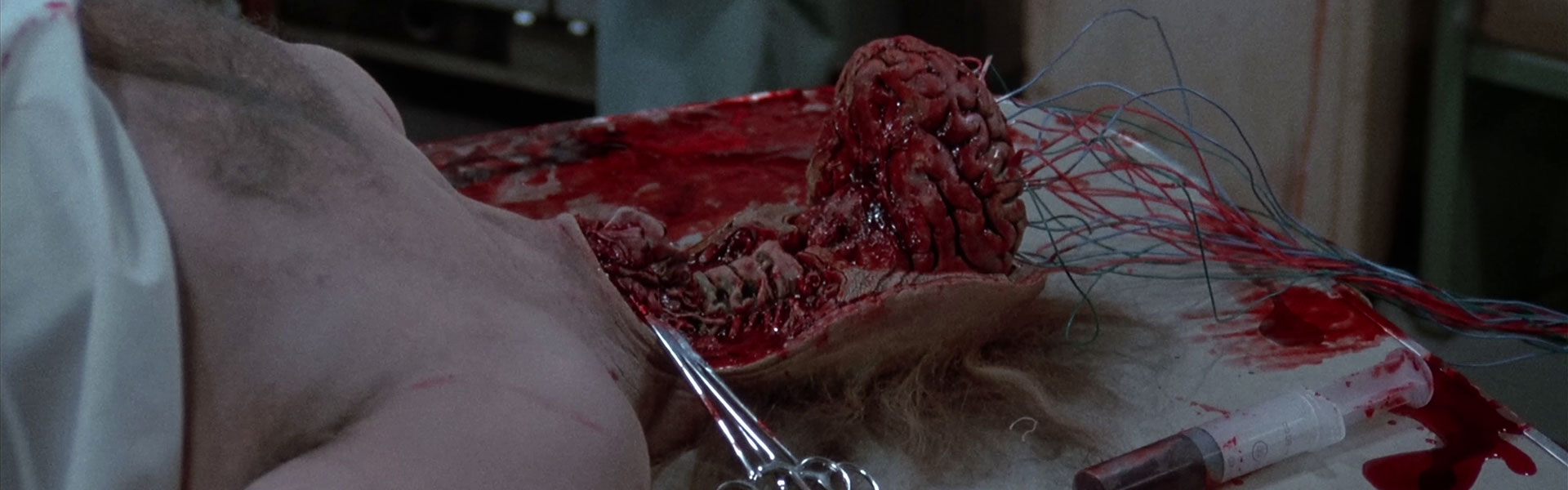
He achieved his international breakthrough through his close collaboration with George A. Romero. Following his groundbreaking special effects for “Martin” (1977), “Dawn of the Dead” (1978), and “Creepshow” (1982), Savini developed extremely elaborate, highly realistic prosthetics and gore effects for “Day of the Dead”—such as the dismemberment of bodies, the feeding scenes of the undead, and the makeup for the intelligent zombie Bub. For this outstanding work, he was awarded the Saturn Award for Best Special Effects.
In addition to his work behind the camera, Savini regularly appears as an actor, including in “From Dusk Till Dawn” (1996), “Planet Terror” (2007), and “Machete” (2010). In 1990, he also directed the remake of the Romero classic “Night of the Living Dead.”
Filmography (selection)
| 2002 | Ted Bundy Director: Matthew Bright |
| 1993 | Trauma Director: Dario Argento |
| 1993 | Necronomicon Directors: Brian Yuzna, Christophe Gans, Shusuke Kaneko |
| 1986 | The Texas Chainsaw Massacre 2 Director: Tobe Hooper |
| 1985 | Day of the Dead Director: George A. Romero |
| 1984 | Friday the 13th – The Final Chapter Director: Joseph Zito |
| 1982 | Creepshow Director: George A. Romero |
| 1981 | The Burning Director: Tony Maylam |
| 1981 | The Prowler Director: Joseph Zito |
| 1980 | Maniac Director: William Lustig |
| 1980 | Friday the 13th Director: Sean S. Cunningham |
| 1978 | Dawn of the Dead Director: George A. Romero |
| 1977 | Martin Director: George A. Romero |
About Lori Cardille (Dr. Sarah Bowman)
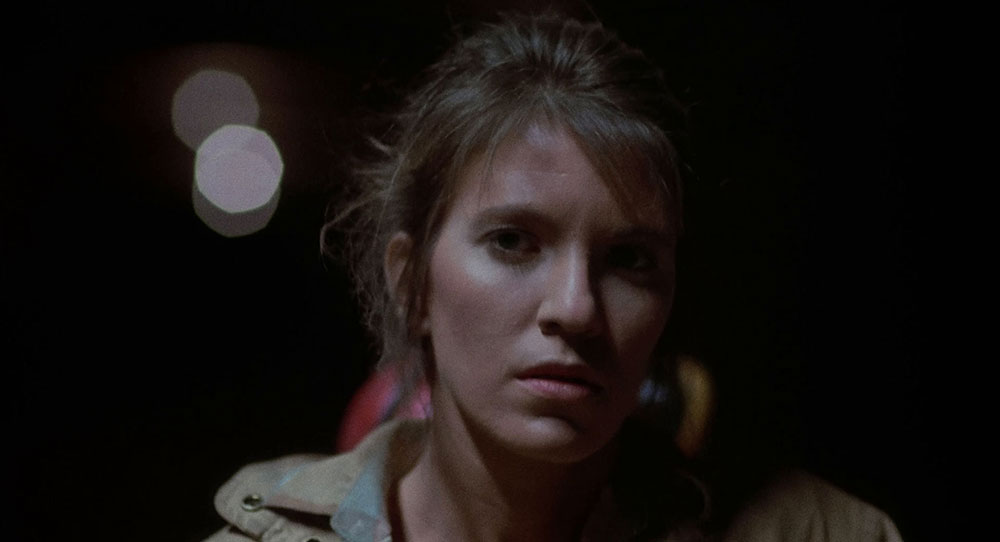
Lori Cardille comes from a family of artists—her father, Bill Cardille, was the host of the late-night horror movie show “Chiller Theatre” and appeared as a reporter in George A. Romero’s horror classic “Night of the Living Dead” (1968). Lori Cardille played her best-known role in 1985 in Romero’s “Day of the Dead” as the scientist Dr. Sarah Bowman. For her compelling performance, she was awarded Best Actress at the 1985 Sitges Film Festival. Later, she was primarily active in U.S. television and theater.
Filmography (selection)
| 2024 | There’s a Zombie Outside Director: Michael Varrati |
| 2023 | The Trip Director: Dean Jacobs |
| 1994 | No Pets Director: Tony Buba |
| 1985 | Day of the Dead Director: George A. Romero |
About Joseph Pilato (Captain Henry Rhodes)
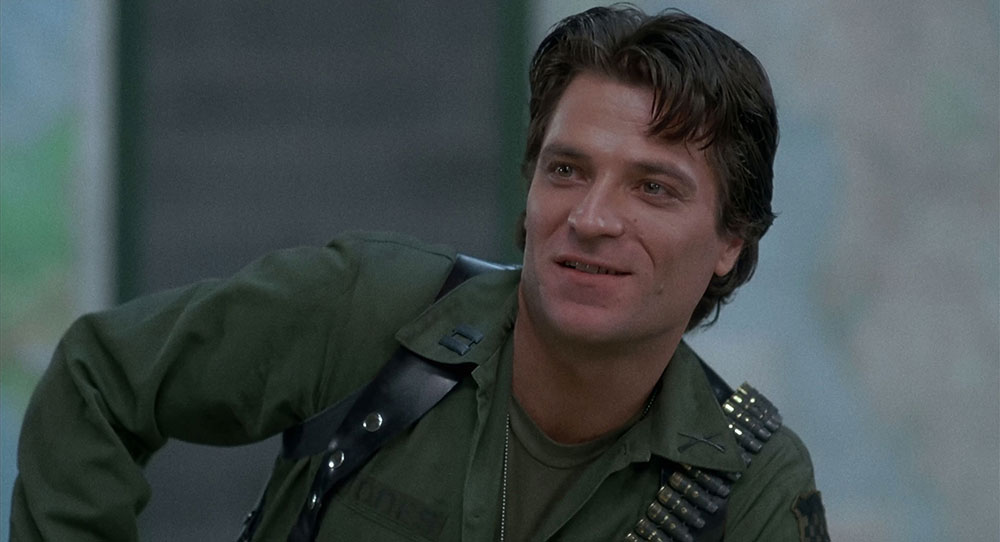
Joseph Pilato was an American actor and voice actor. He is best known for his collaboration with George A. Romero, appearing in several of his films. After a bit part in Romero’s “Dawn of the Dead” (1978) and a minor role in “Knightriders” (1981), Pilato took on his most memorable leading role in “Day of the Dead” (1985). As the ruthless military commander Captain Rhodes, he created one of the horror genre’s most unforgettable antagonists. In addition to his appearances in Romero’s films, Pilato played a small role in Quentin Tarantino’s “Pulp Fiction” (1994) and worked for many years as a sought-after voice actor for animated series and anime.
Filmography (selection)
| 1997 | Wishmaster Director: Robert Kurtzman |
| 1994 | Pulp Fiction Director: Quentin Tarantino |
| 1986 | Gung Ho Director: Ron Howard |
| 1985 | Day of the Dead Director: George A. Romero |
| 1981 | Knightriders Director: George A. Romero |
| 1978 | Dawn of the Dead Director: George A. Romero |
About Richard Liberty (Dr. Matthew Logan)
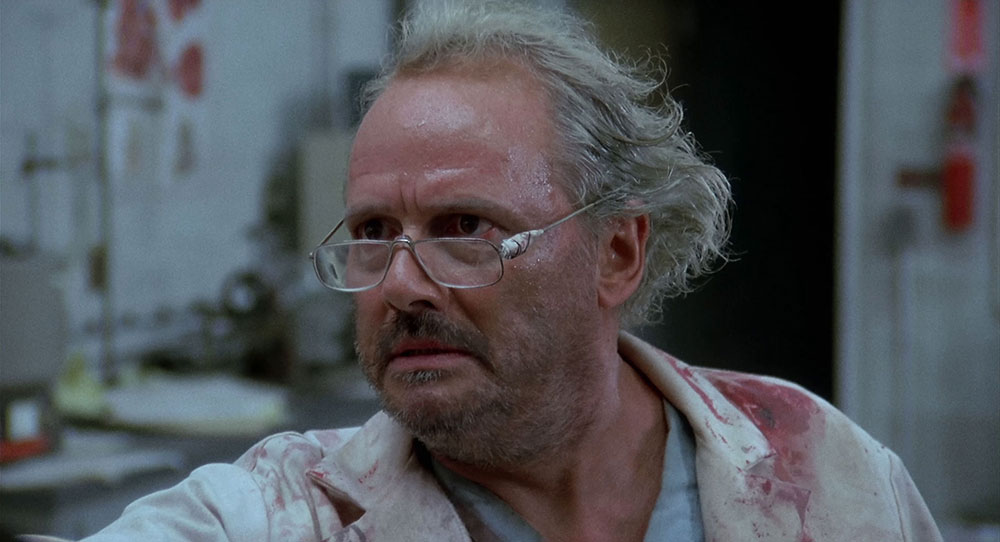
Richard Liberty was an American actor. His career spanned numerous film and television productions, including appearances in “The Final Countdown” (1980), “Miami Vice,” and “Miami Supercops.” Liberty had a long-standing relationship with cult director George A. Romero. As early as 1973, he took on a role in Romero’s sci-fi horror film “The Crazies”. He ultimately played his most famous role in 1985 in Romero’s “Day of the Dead” as the eccentric scientist Dr. Logan.
Filmography (selection)
| 1995 | Just Cause Director: Arne Glimcher |
| 1986 | Flight of the Navigator Director: Randal Kleiser |
| 1985 | Miami Supercops Director: Bruno Corbucci |
| 1985 | Day of the Dead Director: George A. Romero |
| 1985 | The Mean Season Director: Philip Borsos |
| 1983 | Porky’s II – The Day After Director: Bob Clark |
| 1980 | The Final Countdown Director: Don Taylor |
| 1973 | The Crazies Director: George A. Romero |
About Howard Sherman (Bub)
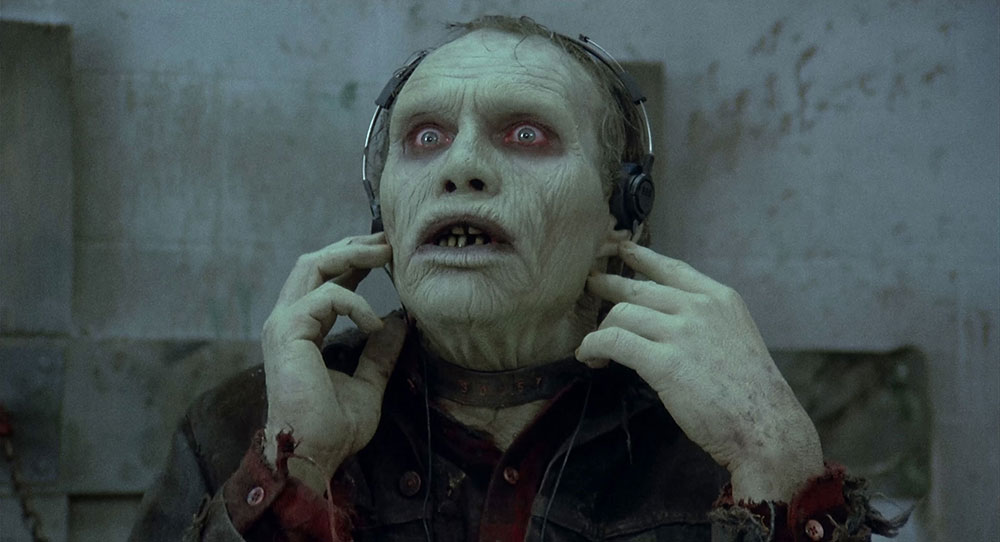
Howard Sherman, later often referred to as Sherman Howard, is an actor and voice actor. His versatility established him in theater, film, and television, including roles in series such as “Superboy” (as Lex Luthor) and “Star Trek: The Next Generation.” However, it was his collaboration with George A. Romero in “Day of the Dead” (1985) that made him unforgettable. Directed by Romero, Sherman played the iconic role of Bub, the intelligent zombie. Through his nuanced, surprisingly human, and touching performance, he gave the character astonishing depth.
Filmography (selection)
| 1991 | Ricochet Director: Russell Mulcahy |
| 1990 | I Come in Peace Director: Craig R. Baxley |
| 1989 | Casualties of War Director: Brian De Palma |
| 1989 | Lethal Weapon 2 Director: Richard Donner |
| 1989 | K-9 Director: Rod Daniel |
| 1988 | The House on Carroll Street Director: Peter Yates |
| 1985 | Day of the Dead Director: George A. Romero |
| 1984 | Grace Quigley Director: Anthony Harvey |